In agriculture, sometimes the hardest decision is to do… nothing.
It is the same psychology we see with doctors. If we leave the consultation without a prescription, we think the doctor is bad. And the same happens in agriculture: if the consultant leaves the farm without a list of changes, a mix of stimulants to apply, or preventive treatments to start, it feels like no work was done. Action looks better than patience.
I have seen both extremes. On one side, growers who still follow the exact recipe that someone gave them years ago, no analysis, no updates, just copy-paste nutrition. On the other side, those who run drip-drain analyses every week but then feel compelled to change the formula after every result, slowly drifting away from the mother recipe until nothing makes sense anymore. In both cases, psychology is driving decisions more than agronomy.
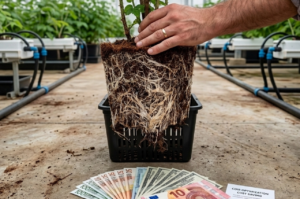
And here is my point. In berries, especially blueberries and raspberries, I honestly believe irrigation strategy is more important than the last mmol of any nutrient. Yet the same psychology applies: yesterday’s irrigation was perfect, today the weather is identical, but someone still changes the timing or volume. Why? Because doing nothing feels wrong.
The paradox is that sometimes the best technical action is inaction. Consistency often wins over hyper-optimization. The last mmol, the last micromole, that final adjustment, might not bring yield or quality. It might just bring instability.
This mindset is not unique to agriculture. Investors change portfolios every week when markets are stable, athletes overtrain when rest would give better results, managers add meetings instead of removing obstacles. The pattern is the same: action feels safer than patience.
Maybe agriculture needs more courage to not act.